
Reinventing staffing
From startup agility to enterprise scale
Bluecrew was a start-up digital staffing platform offering a W-2 employment model, a stark contrast to the industry's gig-based 1099 approach. In 2022, Bluecrew was acquired by Employbridge – a major traditional staffing firm – with the goal of modernizing its operations through automation and SaaS efficiencies. My role evolved across two distinct phases – first as the sole designer driving hands-on UX/UI improvements, and later as a UX Director leading a team through a large-scale platform redesign.
Hands-on design & early impact
Designing for both the worker & company teams at the outset, I focused on usability improvements driven by data (Google Analytics, Pendo) & direct user research. I conducted client calls and leveraged insights from the Account Management team to identify major UX pain points.
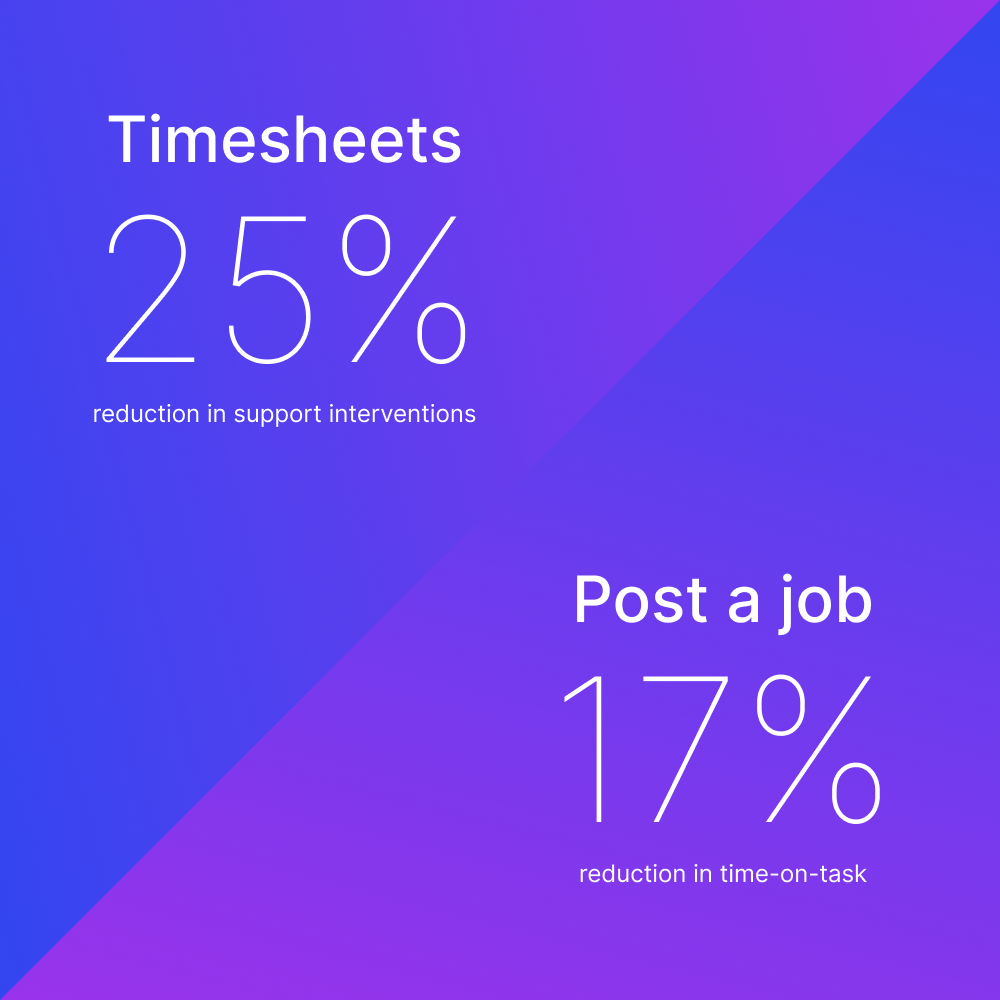
One major hands-on achievement was the Timesheets redesign — a feature initially built without design input and limited to internal use. I transformed it into a fully customer-facing experience, aligning it with our Blueprint Design System and launching a beta in late 2023. Early data showed high adoption and a 25% reduction in Account Manager time spent resolving timesheet issues.
Another key project was optimizing the "Post a Job" workflow. Research showed users were continuously recreating Position & Schedules unnecessarily. Through rapid user testing and a Lightning Swarm sprint, I led quick UX fixes that reduced time-on-task by 17% and cut down duplicate entries simply by displaying more details during the job creation flow.
Building the team
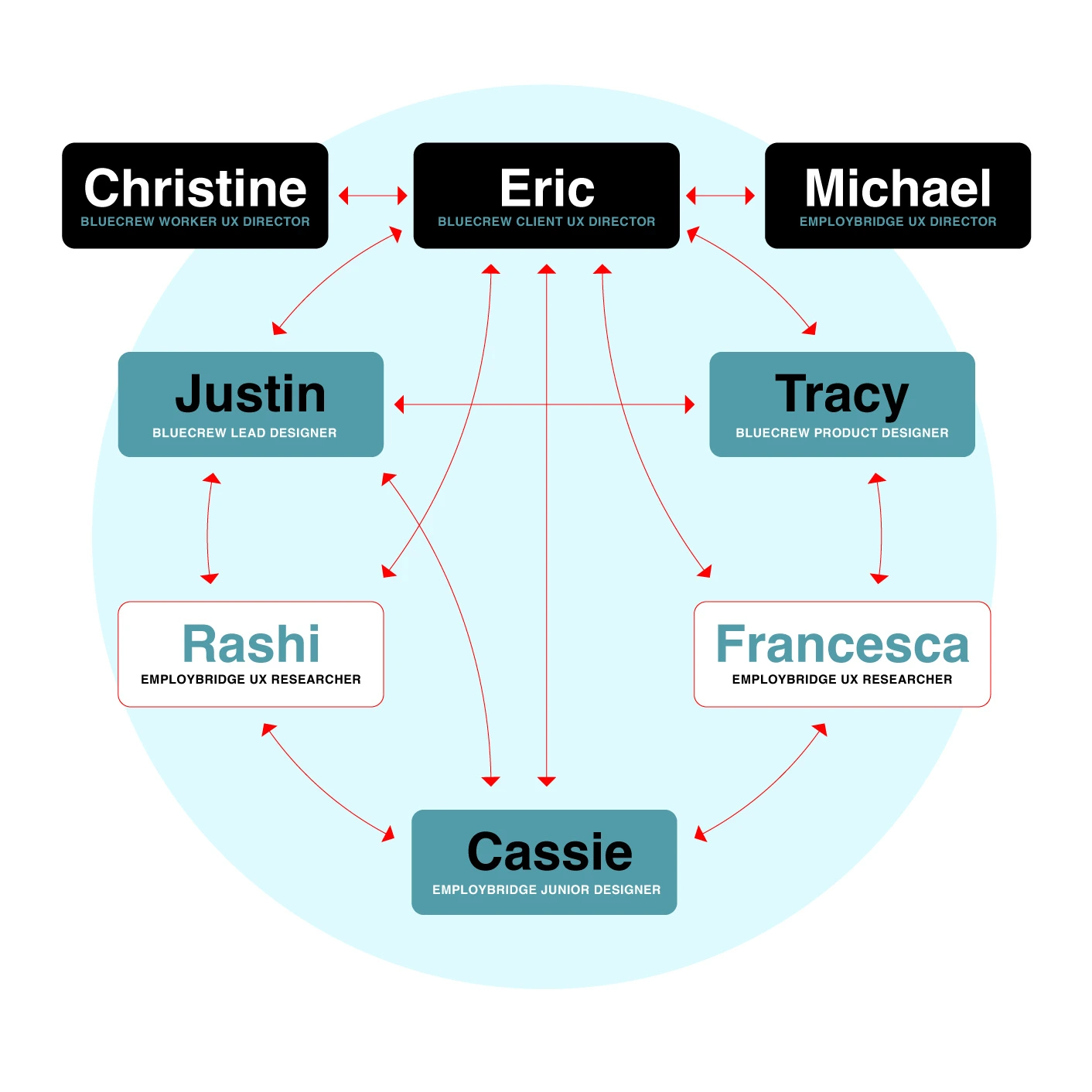
By the time the platform redesign work ramped up, I'd gone from solo player-coach to leading a team of two designers and two researchers — the researchers came over from Employbridge's side of the merger, and both were genuinely strong. My manager at the time had come from Amazon and pushed me to keep the hiring bar high, even while we were still figuring out what "high" meant inside a company mid-transition from startup to enterprise. We hired through Greenhouse and leaned heavily on internal referrals; some of our best people came in that way. There wasn't much of a formal leveling structure yet, but I had a clear read on who was ready to grow — including the designer I'd identified early and eventually put in charge of the dashboard redesign as our Principal Designer, working from research, Account Management input, and my own understanding of what the backend services overhaul was about to unlock. I also picked up an informal mentee along the way: a designer from another department whose manager let her spend part of her time working with me.
Design System stewardship
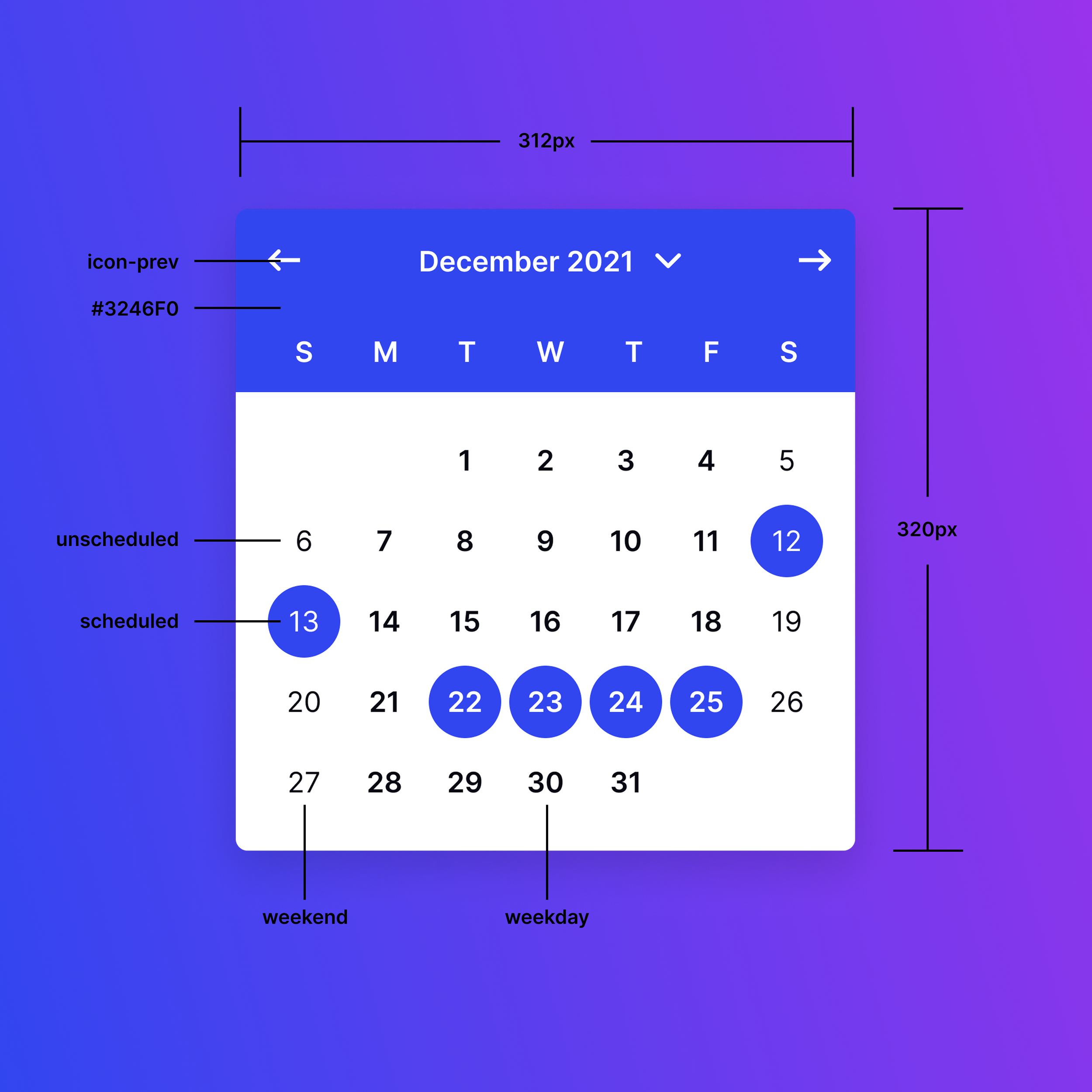
From day one, I noticed that the existing Blueprint Design System was underutilized. Many components were being manually recreated in individual files instead of designers leveraging the system properly. I collaborated with the other designer to relink components, extend the design system, enforce consistency, and drive adoption.
Beyond just promoting usage, I actively worked on improving the system itself. I dedicated time each week to:
- Organize & maintain components
- Add necessary variants for flexibility
- Ensure new elements were properly documented and incorporated
Once my team was in place, I appointed one of my designers as the Design System Shepherd, ensuring continued improvements & documentation updates.
A bigger stage
After about a year running things solo as Bluecrew's startup player-coach, we were acquired by Apollo, a private equity firm, and folded into Employbridge, a larger, traditional staffing company in the South. The mandate: bring Bluecrew's product-led thinking into an enterprise that hadn't operated that way.
The merger's first visible move was redesigning the company's public marketing site into one unified presence. Bluecrew was given a seat at the table in those working sessions with the outside agency, and that seat was mine — working alongside Employbridge's Brand Manager as a parallel collaborator, not a reporting line.
That project is also where I pushed for a different direction. Leadership wanted a cached preview of individual jobs pre-login to entice prospects, pulled from a duplicate database that would always run days behind. I proposed something simpler: total job counts by market, paired with a quick sign-up into the real, live tool. It wasn't the direction chosen, and the original approach shipped. Not something I'd normally lead with, but it's honest: I made the case and lived with the outcome. (They've since solved pre-login live listings — glad to see it land.)
More broadly, that was the role I tried to play through the merger — not just executing the mandate, but making the case for it in rooms where unification wasn't landing easily. My manager repeatedly called out that bridge-building as one of my biggest contributions during the transition.
Leading the full-scale platform redesign
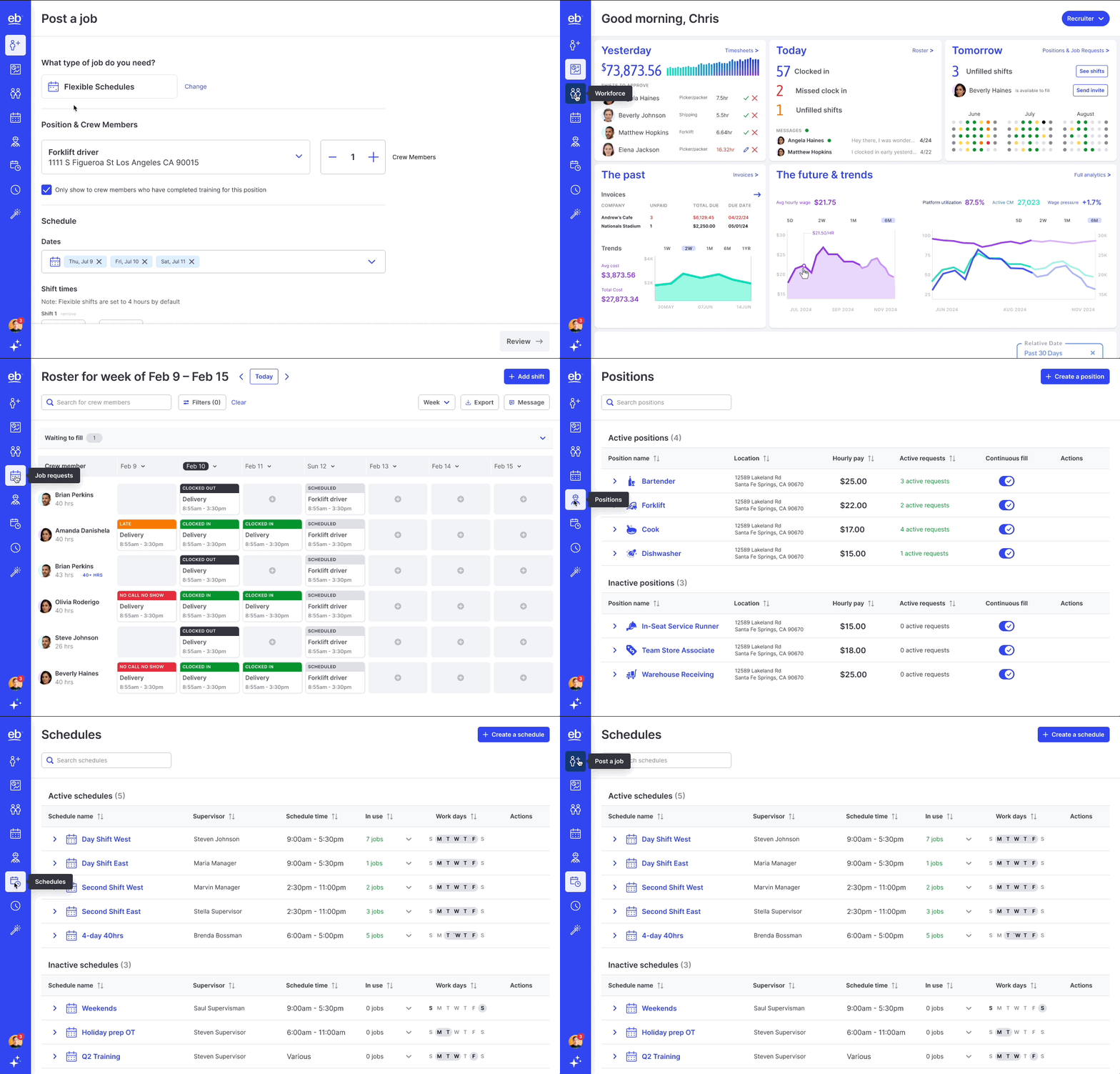
As our team grew, I transitioned from hands-on execution into leading a deep redesign, focusing on information architecture, extensibility, and dashboard UX — reworking things based on how the product had actually drifted since its early days, plus direct feedback from users and our own Account Management team about what wasn't working.
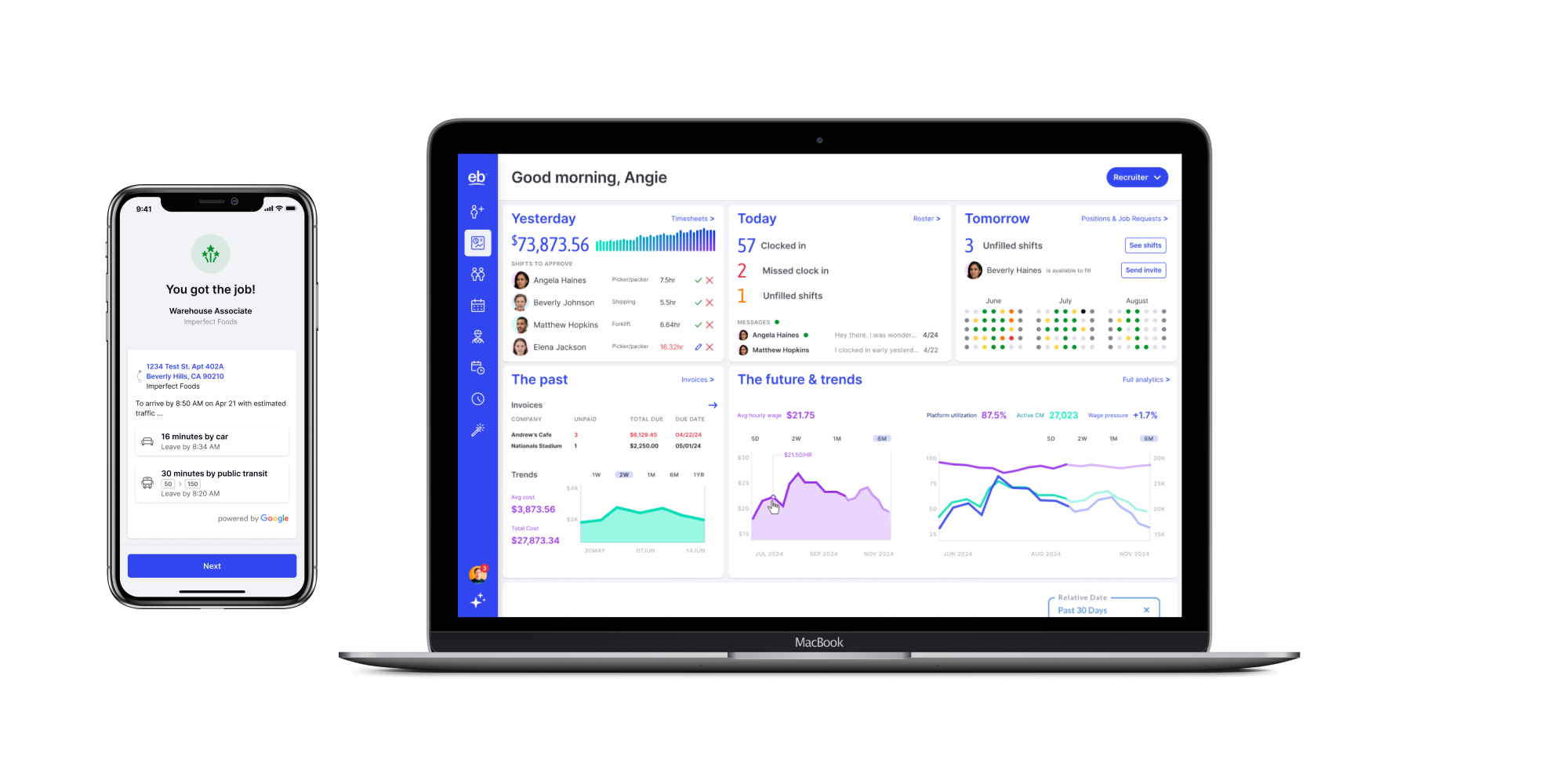
Our redesigned platform introduced a new IA & navigation system built for scale, and an actionable dashboard that organized daily work into "Yesterday/Today/Tomorrow" visibility, aligned with a new backend services framework that was about to unlock functionality we hadn't had before. Within about three months we had a complete new design for the whole platform and started socializing it across the org.
In July 2024, Apollo drove a significant round of cost reductions across the newly combined organization, and my role was eliminated as part of that restructuring. I didn't get to see the redesign through to launch, but I take real pride in the work itself and the foundation it left behind. When private capital moves into a company, it can make short-term financial sense in ways that cost the business something longer-term — this felt like one of those.

Representing for AI in UX
In 2023 the data team started experiments using AI agents on the back end to dig through the database for help predicting attendance based on job & worker information for the purposes of determining the appropriate overfill percentage.
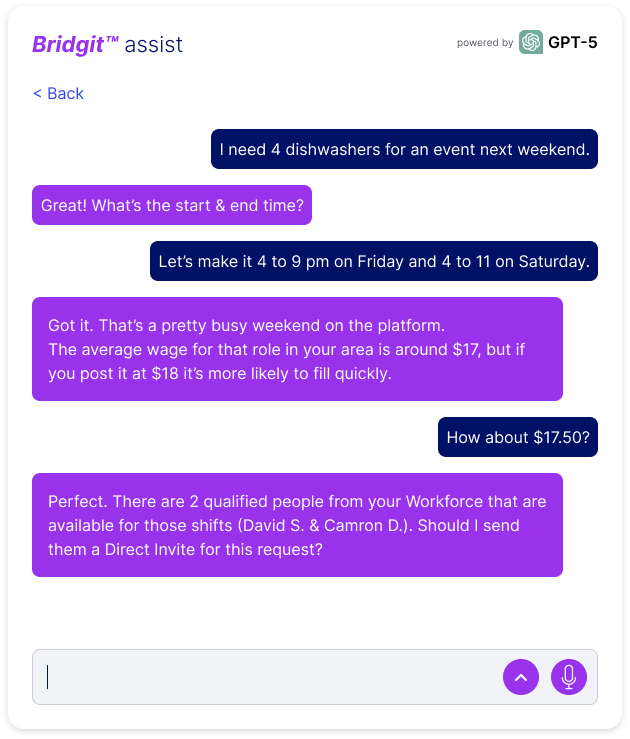
I had my design team brainstorm possible applications for the front end which lead to the conception of a capable AI agent to replace the chatbot that at the time only served links to knowledgebase articles. We designed a robust help/support module that would understand the client's staffing history & operational rules, have access to the client database giving it the ability to suggest, schedule, and manage workers directly through natural language prompts from the user. I tried to talk them into supporting voice but it seemed that was a bridge too far. In retrospect, a little short-sighted.
While I was starting to get some traction on the idea internally the company was suffering financially & that's when the layoffs hit in Summer 2024.
Selling the vision
While collecting support for the Product Team initiatives across the organization, I built this sizzle reel representing the major parts of our proposal for use in meetings with the executive team & the board of directors.